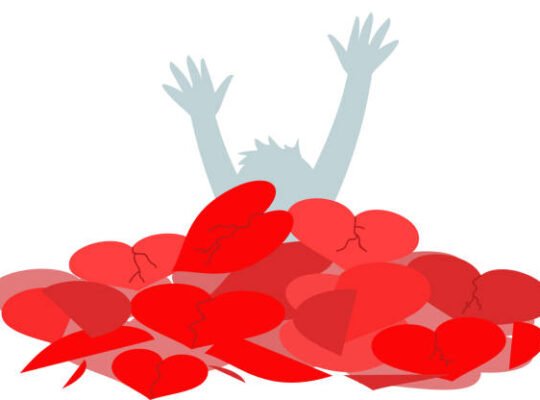
Does fear hold you back from making everyday decisions?
Does fear keep you from taking action?
Does fear affect your relationships and your experience of life?
Does fear, in short, overpower and paralyse you?
A common interpretation of FEAR is “False Evidence Appearing Real.” Do you agree, at least partly?
Fear is an emotion, but it’s driven by the thoughts running through our heads. Have we ever really questioned those thoughts? Do we try to understand what we’re actually afraid of — or do we just surrender to the emotion, and use it as an excuse for inaction?
Here are a few steps that can help you move through fear and get unstuck.
First, understand that the root of all fear is fear of the unknown — what will happen, what people will think, and an endless stream of ‘what ifs.’ Underneath it, we’re really looking for security and the ‘best possible choice,’ without first getting clear on our own thinking.
The mind works like an overprotective parent — with the best of intentions, it keeps us from stepping outside our comfort zone, toward growth. And that’s what leaves us feeling paralysed, unsure how to take that next step forward. Stuck.
If we want to master our own minds and move forward, we need real solutions. But if we stay slaves to the mind, we let it hand us every fear it can find, keeping us safely — and endlessly — complaining, inside our comfort zone.
So the real question for anyone who wants to move forward is: how? Let’s work through it.
- Name the unknown. What exactly are you afraid of? What do you think will happen that’s stopping you from acting? Write down everything you think could go wrong.
- Now imagine your worst fear actually happens. Sit with each fear on your list.
- What would you do if it did? What’s your plan B? What are your options?
This exercise familiarises your mind with everything you think could happen — so nothing stays unknown, or catches you by surprise.
It also prepares your mind to respond well in any situation, because it’s already familiar with a plan B, instead of just reacting in panic. Your mind learns to act, rather than fear the risk of an unknown outcome.
Most importantly, putting your thoughts down on paper makes them look far more manageable than they feel in your head. That’s already half the battle won — the rest is simply taking action.
The key is to take one step forward from exactly where you are. And you’re good to go.